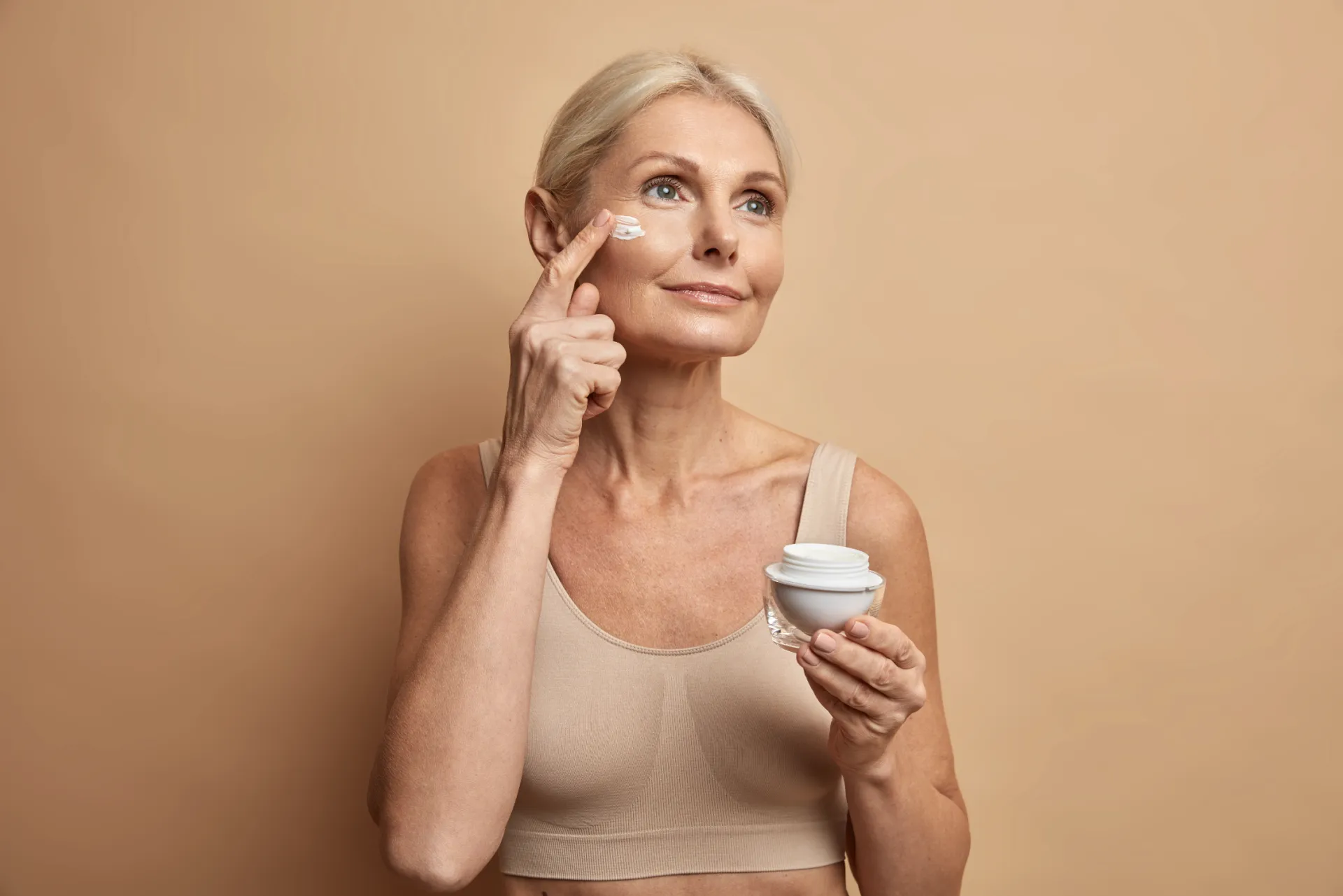
Aging is part of life. It is not something we should deny, hide, or fight aggressively. The goal of aesthetic medicine should not be to erase the passage of time, but to support it with intelligence, care, and natural-looking results.
Over the years, the face changes. The skin may become thinner, lose elasticity, or develop dark spots. There may also be a loss of volume, sagging, expression lines, and changes in texture. These processes are normal and form part of our personal story.
The problem is not aging itself. The problem arises when we feel that our face no longer reflects how we feel inside. Many patients come to us saying, “I look tired,” “I feel like my face looks sad,” or “I want to look more refreshed, but still natural.” That is very different from wanting to transform one’s appearance.
Healthy aging begins with one central idea: the goal is not to change the face, but to restore its balance. Sometimes, small adjustments can make a meaningful difference.
A well-indicated treatment should respect each patient’s expression, features, and age. Looking good does not mean looking the same as you did 20 years ago. It means looking healthy, well cared for, and in harmony with yourself.
A thorough medical evaluation is essential to achieve this. Every face ages differently. Some people experience more sagging, while others develop more pigmentation, volume loss, or deeper expression lines. That is why every treatment plan should be personalized.
It is also important to have realistic expectations. Aesthetic medicine can improve, prevent, and support the aging process, but it should never promise unrealistic results.
Aging well is not about pursuing eternal youth. It is about making thoughtful decisions to preserve your health, expression, and confidence.
The face tells our story. When practiced with ethics and sound medical judgment, aesthetic medicine can help us tell that story with freshness, balance, and natural-looking results.